

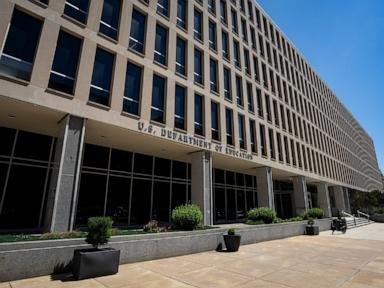
A coalition of prominent healthcare organizations has initiated legal action against the Trump administration, challenging a federal rule that imposes borrowing limits on student loans for specific graduate degree programs. The lawsuit, filed in federal court, specifically contests regulations that directly impact students pursuing advanced degrees in healthcare professions.
The plaintiffs, which include major industry groups representing various medical sectors, argue that the new loan caps pose a significant threat to the healthcare workforce pipeline. They contend that by restricting access to necessary funding for graduate education, the policy could deter students from entering critical fields such as nursing, therapy, and public health, ultimately exacerbating existing staffing shortages.
The contested rule, part of a broader regulatory shift, sets aggregate limits on the amount graduate students can borrow through federal loan programs. Healthcare advocates have long argued that such caps fail to account for the high cost of advanced medical training and the essential public service these professionals provide.
In their complaint, the organizations state that the administration overstepped its authority and failed to consider the rule’s potential adverse effects on healthcare access, particularly in rural and underserved communities. They are seeking a judicial review and an injunction to halt the rule’s implementation.
The lawsuit highlights an ongoing tension between federal efforts to manage student debt levels and the specialized funding needs of professional training programs. A ruling in favor of the healthcare groups could force a reevaluation of how student loan policies are applied to fields facing critical workforce demands.
This news article is created with AI enabled services and auto published, therefore it might contain errors, reader discrimination advised.
This article and views expressed therein, are solely that of the original news source also displayed for the interested reader, therefore it is not an act of copyright infringement by this platform, also this platform only aggregates the content and has no bearings and or shares any opinions or promotes views expressed by the original author, all intellectual property rights is totally credited to the original source.