

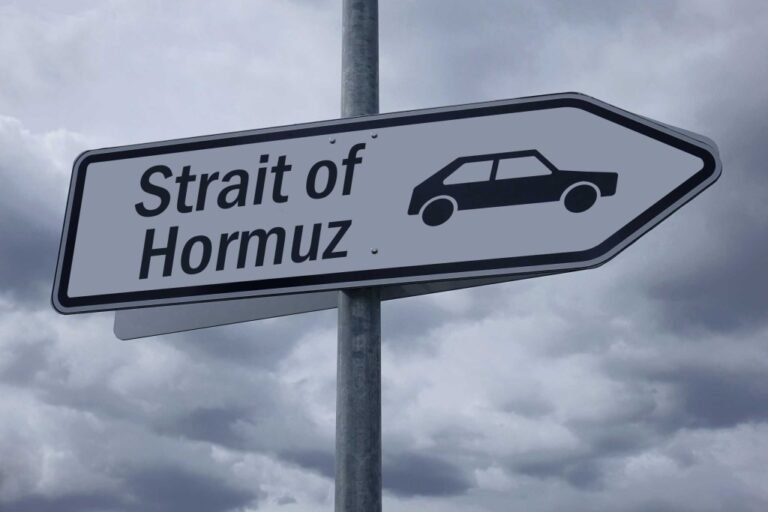
When the Strait of Hormuz enters the global conversation, the dialogue is almost exclusively strategic. Security analysts dissect naval deployments, military deterrence capabilities, and the delicate balance of power between Iran and the United States. Financial markets monitor oil price fluctuations, while shipping insurers meticulously calculate risk premiums for vessels transiting the critical waterway. National governments, meanwhile, prepare contingency plans and issue stern diplomatic warnings.
This pervasive strategic framing, however, masks a severe and growing human security crisis. For the millions of people living in coastal communities bordering the strait, the constant geopolitical tension translates into tangible hardship. Local fishermen find their traditional livelihoods disrupted by heightened naval patrols and restricted maritime zones. The threat of conflict or severe escalation casts a shadow of uncertainty over daily life, limiting economic opportunity and fostering a climate of perpetual anxiety.
The environmental dimension adds another layer of vulnerability. Any military confrontation or even a major shipping accident in these constrained waters could trigger an ecological disaster. Such an event would devastate marine ecosystems, which are the foundation of local food security and regional economies. The potential for oil spills or other pollution poses a direct and long-term threat to the health and sustenance of coastal populations.
Furthermore, the intense focus on great-power competition often sidelines diplomatic efforts aimed at regional de-escalation and confidence-building. This neglects the urgent need for frameworks that prioritize civilian safety and economic stability for all bordering nations. The human cost of the standoff is therefore compounded by a lack of dedicated international attention to mitigating its direct impact on ordinary citizens.
Ultimately, the narrative surrounding the Strait of Hormuz requires a fundamental broadening. While strategic and economic interests are significant, they must be weighed against the profound human security implications. Recognizing the crisis faced by millions is the first step toward developing policies that protect not just global commerce, but the lives and futures of the region’s most vulnerable people.
This news article is created with AI enabled services and auto published, therefore it might contain errors, reader discrimination advised.
This article and views expressed therein, are solely that of the original news source also displayed for the interested reader, therefore it is not an act of copyright infringement by this platform, also this platform only aggregates the content and has no bearings and or shares any opinions or promotes views expressed by the original author, all intellectual property rights is totally credited to the original source.