

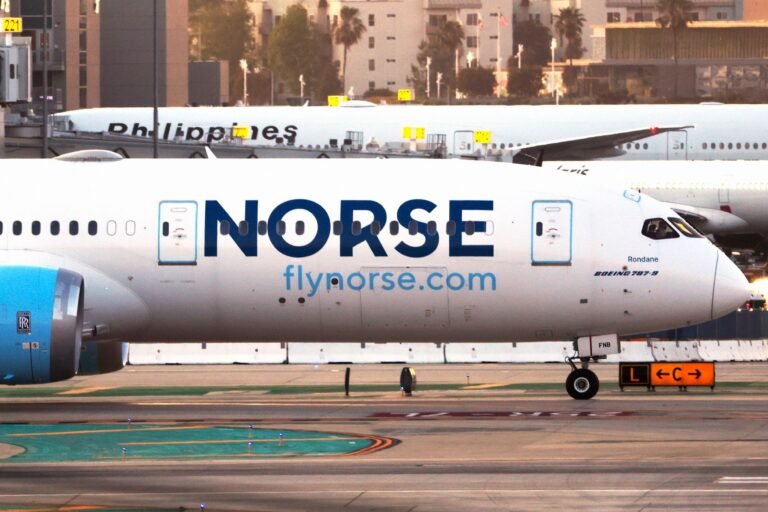
Norse Atlantic Airways, known for offering competitively priced transatlantic flights, is facing a growing wave of consumer dissatisfaction centered on its customer service operations. Dozens of individuals have formally complained to the Federal Trade Commission about the airline’s tech-first approach to handling passenger issues.
The core of the complaints revolves around the difficulty of reaching human support and resolving problems. Some affected customers report losing thousands of dollars in the process, whether through non-refundable bookings, missed connections, or other service failures that went unaddressed.
The airline’s business model focuses on keeping base fares low by minimizing operational costs, which extends to its customer service infrastructure. This system relies heavily on digital interfaces and automated processes, a strategy that can leave passengers stranded without timely assistance when complex issues arise.
For travelers enticed by the promise of affordable international airfare, these reports serve as a critical caution. The initial savings on a ticket may be offset by potential financial risk and significant frustration if travel plans encounter disruptions and support proves inaccessible.
The situation highlights a broader tension in the budget airline sector between cost efficiency and customer care. As Norse Atlantic Airways continues to operate, the volume and nature of these FTC complaints will be a key indicator of whether its service model can sustainably meet passenger expectations.
This news article is created with AI enabled services and auto published, therefore it might contain errors, reader discrimination advised.
This article and views expressed therein, are solely that of the original news source also displayed for the interested reader, therefore it is not an act of copyright infringement by this platform, also this platform only aggregates the content and has no bearings and or shares any opinions or promotes views expressed by the original author, all intellectual property rights is totally credited to the original source.