

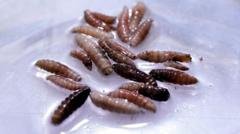
A calf grazing near the US-Mexico border in Texas has been diagnosed with a New World screwworm infestation. This case marks the first detection of the flesh-eating parasite in the United States in approximately 60 years. The finding has prompted an urgent response from state and federal agricultural officials.
The New World screwworm fly lays its eggs in the wounds of warm-blooded animals. The hatching larvae then feed on living tissue, causing severe and often fatal damage to the host. This parasite was eradicated from the United States in the 1960s through a sterile insect technique program.
The infected calf was identified during a routine veterinary examination. Officials from the Texas Animal Health Commission and the U.S. Department of Agriculture have confirmed the diagnosis. They are now working to trace the origin of the infestation and assess any potential spread.
Authorities have established a quarantine zone around the location of the case. Enhanced surveillance and mandatory animal inspections are underway within this area. The goal is to contain the parasite and prevent it from re-establishing a foothold in the U.S. livestock population.
The re-emergence of screwworm poses a significant threat to the nation’s cattle industry and wildlife. Officials are urging livestock producers to inspect their animals regularly for wounds and signs of infestation. Any suspected cases must be reported immediately to state veterinarians or the USDA.
This incident highlights the ongoing challenges of maintaining disease-free status along international borders. Cooperation between the United States and Mexico on animal health surveillance remains critical. The last major outbreak in the U.S. occurred in the 1950s and 1960s, causing substantial economic losses.
This news article is created with AI enabled services and auto published, therefore it might contain errors, reader discrimination advised.
This article and views expressed therein, are solely that of the original news source also displayed for the interested reader, therefore it is not an act of copyright infringement by this platform, also this platform only aggregates the content and has no bearings and or shares any opinions or promotes views expressed by the original author, all intellectual property rights is totally credited to the original source.