

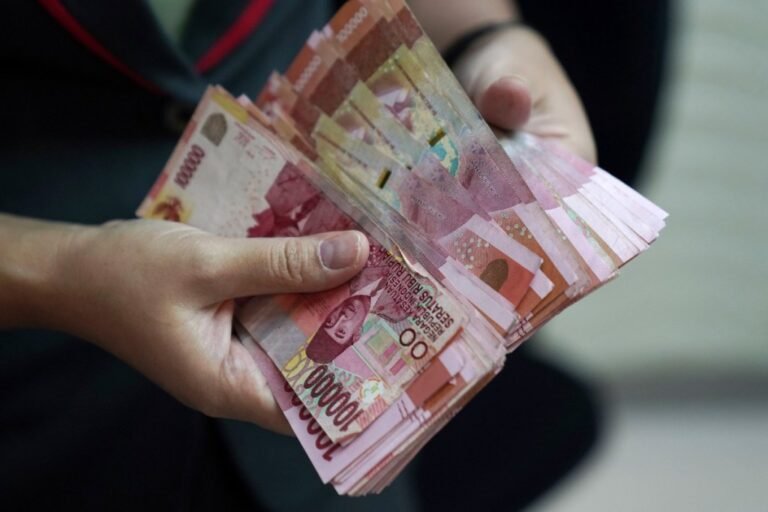
The Indonesian rupiah has experienced a severe and sustained depreciation throughout April and May 2026, plummeting to unprecedented lows. The currency has drawn dangerously close to a new psychological threshold of 18,000 against the US dollar, a level that has not been seen in modern history.
The decline began in earnest in early April when the rupiah breached the 17,000 mark. This breach immediately stoked painful public memories of the devastating 1997-1998 Asian financial crisis, a period of profound economic turmoil for the nation.
While the strength of the US dollar is a significant global headwind, analysts emphasize that the rupiah’s weakness is not solely attributable to it. A combination of domestic economic pressures and shifting global market dynamics has created a perfect storm for the currency.
Key factors contributing to the pressure include Indonesia’s persistent current account deficit and concerns over the country’s fiscal health. Furthermore, global investors have been pulling capital from emerging markets like Indonesia, seeking safer assets amid heightened geopolitical uncertainty and rising interest rates in advanced economies.
The central bank, Bank Indonesia, has been actively intervening in the foreign exchange market to defend the rupiah and stabilize its decline. Despite these efforts, the downward momentum has proven difficult to reverse, reflecting the depth of the underlying challenges.
The weakening currency has immediate consequences for the Indonesian economy. It increases the cost of imports, fuels domestic inflation, and raises the burden of servicing foreign-currency-denominated debt for both the government and corporations.
For ordinary Indonesians, the falling rupiah translates to higher prices for everyday goods, from fuel to food staples, squeezing household budgets. The situation is closely watched by policymakers and economists as they seek a path to restore stability and confidence in the nation’s financial markets.
This news article is created with AI enabled services and auto published, therefore it might contain errors, reader discrimination advised.
This article and views expressed therein, are solely that of the original news source also displayed for the interested reader, therefore it is not an act of copyright infringement by this platform, also this platform only aggregates the content and has no bearings and or shares any opinions or promotes views expressed by the original author, all intellectual property rights is totally credited to the original source.