

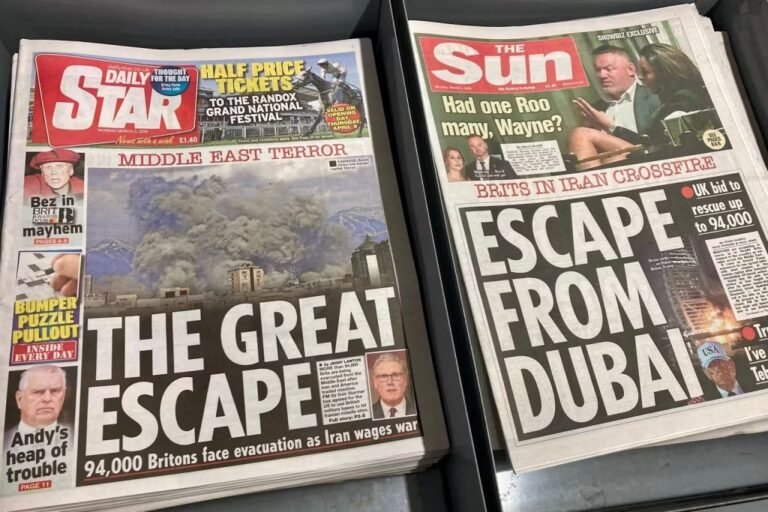
The recent military strikes by the US and Israel on Iran on February 28, and Iran’s subsequent retaliation targeting Gulf Arab states, triggered a significant wave of commentary on social media. As a researcher focused on Middle East politics, particularly the Gulf region, I closely monitored these online discussions. The platforms I follow are populated by many individuals living and working across the Gulf Cooperation Council nations.
The reactions from expatriates were notably unified and supportive of their host countries. Many expressed concern for the safety and stability of the Gulf states they call home, often framing their anxiety through the lens of their personal and professional lives there. This sentiment stood in contrast to a more detached, geopolitical analysis one might expect from foreign observers.
This alignment of interests is not accidental. Gulf states have long implemented comprehensive social and economic strategies to integrate their large expatriate workforces. These include long-term residency visas, pathways to property ownership, and initiatives that promote a shared national identity and pride in the host country’s achievements and security.
The crisis served as a real-time test of these loyalty-building measures. The evident solidarity from expatriate communities demonstrated a successful cultivation of a vested interest in the region’s stability. For the Gulf states, fostering this sense of belonging among residents, regardless of nationality, is a key component of national cohesion and resilience during times of external threat.
This news article is created with AI enabled services and auto published, therefore it might contain errors, reader discrimination advised.
This article and views expressed therein, are solely that of the original news source also displayed for the interested reader, therefore it is not an act of copyright infringement by this platform, also this platform only aggregates the content and has no bearings and or shares any opinions or promotes views expressed by the original author, all intellectual property rights is totally credited to the original source.