

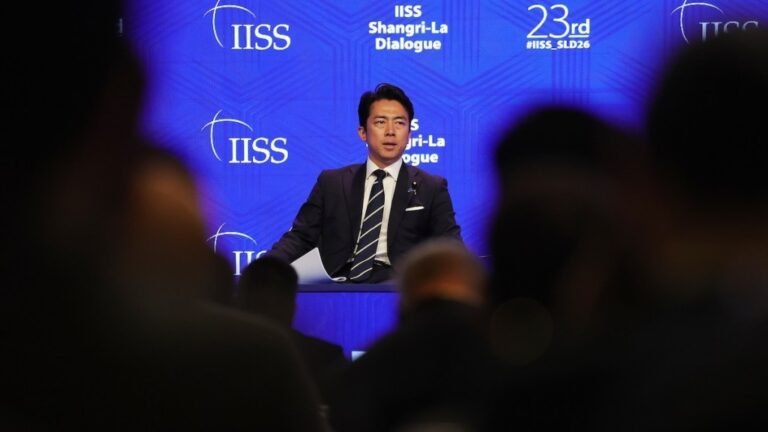
At the recent Shangri-La Dialogue in Singapore, US Secretary of Defense Pete Hegseth announced a significant change in American foreign policy. He declared that the United States would no longer automatically subsidize the defense of its wealthy allies.
Hegseth outlined a new strategic approach he termed “pragmatic idealism.” This doctrine suggests a shift from open-ended security commitments toward a more conditional and reciprocal partnership framework.
The speech signaled a profound structural shift in the global security landscape. For decades, the United States has provided a security umbrella for many of its partners, a policy Hegseth argued is no longer sustainable.
The announcement effectively marks the end of what some analysts have called “automatic assurance.” This term refers to the long-standing assumption that American military support is a given for allied nations.
The implications of this policy shift are being closely watched by nations across Asia and Europe. Many have relied on the US security guarantee as a cornerstone of their national defense strategies.
Hegseth’s remarks at the high-profile security forum suggest a new era of burden-sharing is being demanded. Allies may now need to demonstrate greater self-reliance and contribute more substantially to regional security.
The concept of “pragmatic idealism” indicates a blend of principles with realpolitik. The United States will still support its allies, but with clearer expectations and a focus on shared strategic interests.
This development comes amid evolving global threats and changing domestic priorities within the United States. The administration is signaling a desire to reassess the cost and scope of its international military engagements.
The speech has been described as a wake-up call for allied governments. It forces a strategic recalibration of defense postures and foreign policy calculations in capitals around the world.
The full details and operational implications of the “pragmatic idealism” doctrine are still emerging. However, its announcement at the Shangri-La Dialogue has already sent a clear message about the future direction of US security policy.
This news article is created with AI enabled services and auto published, therefore it might contain errors, reader discrimination advised.
This article and views expressed therein, are solely that of the original news source also displayed for the interested reader, therefore it is not an act of copyright infringement by this platform, also this platform only aggregates the content and has no bearings and or shares any opinions or promotes views expressed by the original author, all intellectual property rights is totally credited to the original source.