

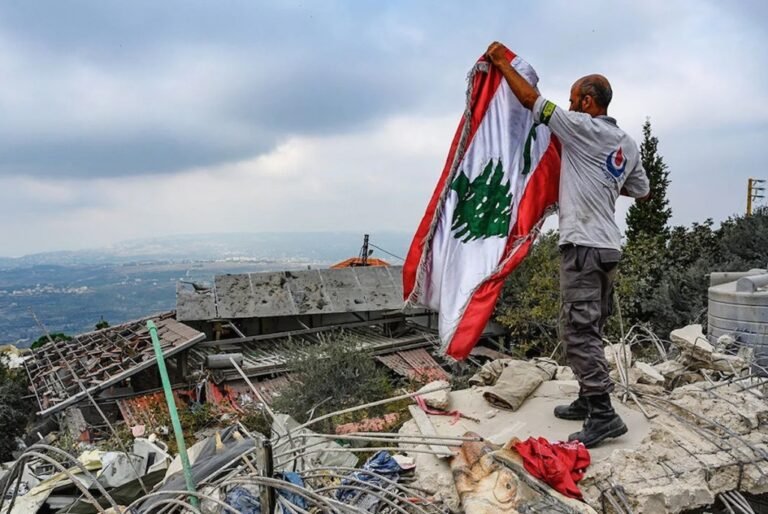
Secretary of State Marco Rubio convened Israeli and Lebanese officials at the State Department in April, creating a striking visual of direct diplomacy. This gathering represented the first formal talks between the two nations in a significant period, offering a brief moment of hope for regional stability.
The long and often tragicomic history of American diplomatic efforts in the Middle East provides a sobering context for such meetings. Many seasoned observers felt a weary sense of déjà vu, recalling previous initiatives that generated initial optimism but ultimately failed to resolve core disputes.
The fundamental obstacles to a genuine rapprochement between Israel and Lebanon remain firmly in place. These include the unresolved status of the Shebaa Farms territory, the powerful military and political influence of Hezbollah within Lebanon, and deep-seated mutual distrust that has been reinforced by decades of conflict.
While the optics of the April meeting were arresting, they may represent a diplomatic mirage. The underlying political landscapes in both Israel and Lebanon are fraught with internal divisions and external pressures that make lasting compromise exceedingly difficult to achieve. True progress would require addressing these structural issues, not merely staging symbolic encounters.
This news article is created with AI enabled services and auto published, therefore it might contain errors, reader discrimination advised.
This article and views expressed therein, are solely that of the original news source also displayed for the interested reader, therefore it is not an act of copyright infringement by this platform, also this platform only aggregates the content and has no bearings and or shares any opinions or promotes views expressed by the original author, all intellectual property rights is totally credited to the original source.