

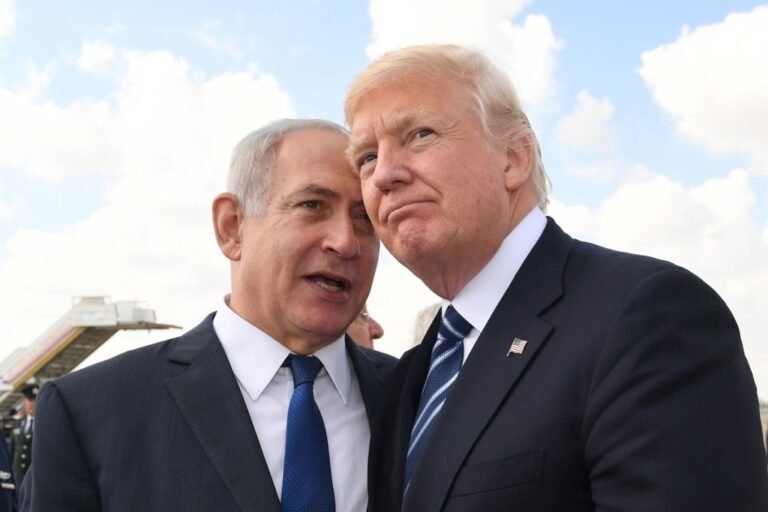
President Donald Trump’s latest diplomatic initiative to end hostilities with Iran has taken a significant new direction. The administration is now tying any comprehensive peace agreement to the broader normalization of relations between Arab and Muslim nations and Israel.
This approach expands the original agenda, which focused on a ceasefire, reopening the Strait of Hormuz, and addressing Iran’s nuclear program. The strategy aims to leverage the existing framework of the Abraham Accords to achieve a wider regional settlement.
The original diplomatic push concentrated on immediate de-escalation measures and specific points of contention. These included securing a halt to fighting, ensuring the vital Strait of Hormuz remains open for oil shipments, and negotiating limits on Iran’s nuclear capabilities.
However, the current strategy introduces a significant new condition. Any broader peace deal is now linked to progress on the Abraham Accords, which facilitated normalization between Israel and several Arab states.
This shift effectively asks Iran and its regional allies to accept the normalization of ties between Arab states and Israel as part of a final settlement. It represents a major expansion of the negotiation’s scope beyond bilateral U.S.-Iran issues.
The move could complicate ongoing efforts by introducing a contentious element that many regional players view as separate from the immediate conflict. Critics argue it conflates distinct diplomatic tracks and may hinder progress on urgent matters like a ceasefire.
Supporters of the approach contend that lasting peace requires addressing the broader regional dynamics, including Israel’s standing in the Middle East. They believe the Accords provide a useful model for incentivizing wider cooperation.
The policy marks a departure from traditional conflict resolution, which typically isolates specific disputes. By linking these issues, the administration is pursuing an ambitious, integrated vision for regional stability.
The outcome of this strategy remains uncertain. Its success depends on whether regional actors perceive the benefits of a comprehensive deal as outweighing the political costs of normalizing relations with Israel.
This news article is created with AI enabled services and auto published, therefore it might contain errors, reader discrimination advised.
This article and views expressed therein, are solely that of the original news source also displayed for the interested reader, therefore it is not an act of copyright infringement by this platform, also this platform only aggregates the content and has no bearings and or shares any opinions or promotes views expressed by the original author, all intellectual property rights is totally credited to the original source.