

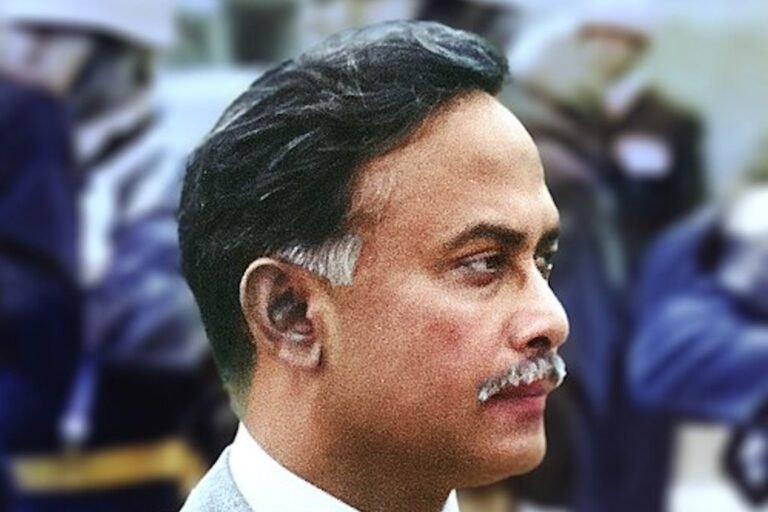
Bangladesh’s journey as a nation has been characterized by political upheaval, a legacy rooted in its bloody separation from Pakistan in 1971. The country’s history of power transitions has seldom been peaceful, often following a script of conflict and violence. This pattern was starkly evident in the assassination of President Ziaur Rahman.
On May 30, 1981, President Ziaur Rahman was killed at a government circuit house in the port city of Chattogram. Rahman was a decorated hero of the 1971 Liberation War, a status that made his violent death all the more shocking. His assassination was a pivotal moment that further cemented the fraught nature of political change in Bangladesh.
The legacy of Ziaur Rahman continues to cast a long shadow over the country’s political landscape. His memory is frequently invoked in contemporary political debates, often serving as a symbolic point of contention between major parties. This enduring influence highlights how historical figures and events shape the fragile power pacts of the present.
The political narrative in Bangladesh remains deeply intertwined with the events of 1981. The unresolved tensions from that era contribute to the ongoing challenges of achieving stable and consensus-based governance. As such, the ghost of Ziaur Rahman still haunts the corridors of power, a reminder of the nation’s turbulent past and its complex political future.
This news article is created with AI enabled services and auto published, therefore it might contain errors, reader discrimination advised.
This article and views expressed therein, are solely that of the original news source also displayed for the interested reader, therefore it is not an act of copyright infringement by this platform, also this platform only aggregates the content and has no bearings and or shares any opinions or promotes views expressed by the original author, all intellectual property rights is totally credited to the original source.